
The Secret Formula Behind Memorable Commencement Speeches
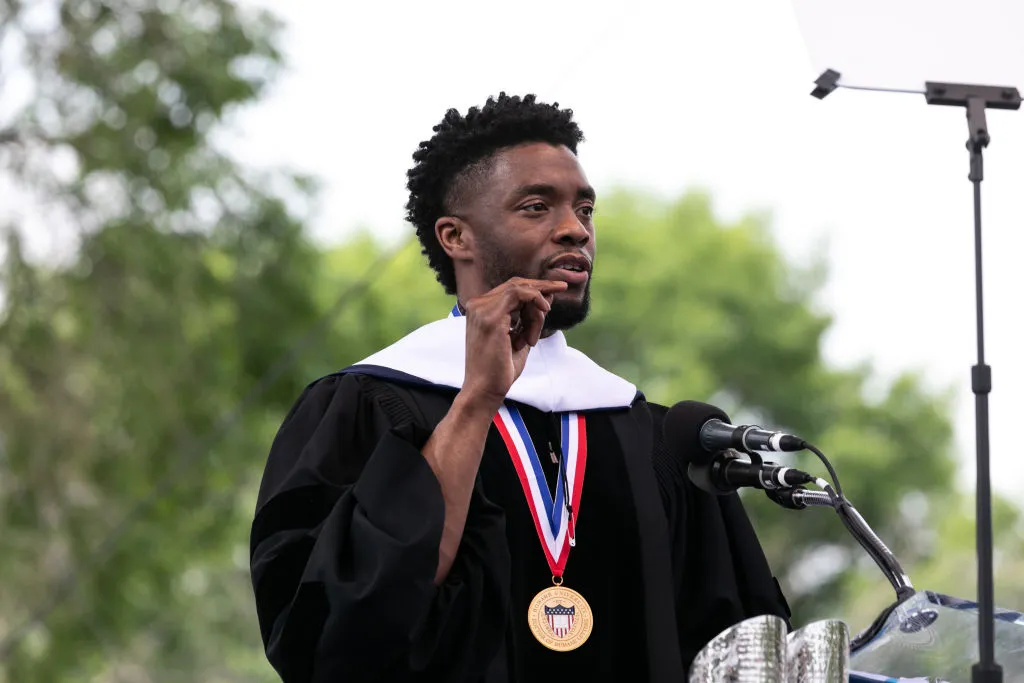
Every May, gymnasiums, stadiums, and quads across the country echo with commencement speeches. Thousands are delivered each year, yet only a handful are remembered. Most fade with the applause, while a select few are replayed on YouTube, quoted for decades, and even studied in classrooms.
So what separates the forgettable from the timeless? To answer that, we dug into research, revisited some of the most replayed and recommended speeches, and looked for patterns. What we found is that the most powerful speeches share a surprising mix of brevity, storytelling, and emotional honesty.
How We Researched
We started by tracking down the speeches people return to again and again—whether because they went viral online, became part of cultural conversations, or were spotlighted in “best commencement speeches” lists.
Our final list included an eclectic mix: tech visionaries, comedians, cultural icons, political leaders, and even a beloved puppet. Among them were:
Steve Jobs (Stanford, 2005)
David Foster Wallace (Kenyon College, 2005)
Admiral William H. McRaven (University of Texas, 2014)
Oprah Winfrey (Colorado College, 2019)
Taylor Swift (NYU, 2022)
Barack Obama (Howard University, 2016)
Chadwick Boseman (Howard University, 2018)
Ken Jeong (UNLV, 2023)
Kermit the Frog (Southampton College, 1996)
From there, we looked closely at what makes these speeches resonate: their length, their themes, their use of humor and storytelling, and the memorable lines people still quote.
What We Learned About Great Commencement Speeches
1. Brevity Wins Attention
The best speeches don’t drag on. They land somewhere between 15–25 minutes, usually around 1,500–2,500 words. Long enough to develop a story, short enough to respect the moment.
Steve Jobs’ Stanford speech clocked in at just 15 minutes. Taylor Swift’s address at NYU was about 20. Both hit the sweet spot: concise, thoughtful, and deeply personal.
2. The Same Core Themes Keep Appearing
When we laid the speeches side by side, the most common themes were strikingly consistent:
+ Overcoming setbacks
+ Pursuing authenticity and passion
+ Serving something larger than yourself
+ Taking risks and embracing uncertainty
Chadwick Boseman told Howard graduates about the rejections that shaped his journey to Black Panther. Taylor Swift encouraged her audience to embrace “cringe” moments as part of living authentically. Admiral McRaven’s now‑famous “make your bed” lesson showed that even the smallest daily act can fuel discipline.
3. Humor Opens the Door
Not every speech is funny, but the ones that lean on humor tend to be the most watchable. Will Ferrell, Conan O’Brien, and Ken Jeong peppered their speeches with constant laughs. Jeong in particular turned his UNLV speech into a blend of comedy set and life advice, making it one of the most relatable recent examples.
At the same time, Oprah and Boseman reminded us that seriousness, when paired with honesty, can be just as magnetic.
4. Stories Make the Message Stick
The most enduring speeches aren’t built on abstract advice. They’re anchored in stories.
+ Jobs talked about dropping out of college, being fired from Apple, and facing cancer.
+ Oprah described how failures turned into stepping stones.
+ Boseman wove his struggles and triumphs into lessons about resilience.
Stories give the message texture and humanity—they make the audience lean in.
5. Every Speech Needs a Line That Lasts
Think about the commencement speeches people share most often. They can usually be distilled into one unforgettable line:
David Foster Wallace: “The most obvious, important realities are often the ones that are hardest to see and talk about.”
Steve Jobs: “Your time is limited, so don’t waste it living someone else’s life.”
Chadwick Boseman: “Sometimes you need to feel the pain and sting of defeat to activate the real passion and purpose that God predestined inside of you.”
Taylor Swift: “Learn to live alongside cringe.”
The speeches endure because of these quotable, almost mantra‑like takeaways.
Why Steve Jobs Still Tops the List
Even after nearly two decades, Steve Jobs’ Stanford speech continues to show up on “best of” lists and racks up millions of views online. It’s not because he was the CEO of Apple—it’s because he told three simple, human stories that anyone could relate to. He was brief, he was personal, and he closed with words that still echo: “Stay hungry. Stay foolish.”
The Bottom Line
When we step back and look at the most enduring commencement speeches, the patterns are clear. The strongest ones are short but meaningful, landing in that 15–25 minute range. They return again and again to timeless themes—overcoming failure, embracing authenticity, serving others, and taking risks. Some lean on humor, others on gravity, but all rely on stories to make their advice stick. And nearly every great speech leaves behind one line that people carry with them long after graduation.
From Steve Jobs’ reminder about living authentically, to Chadwick Boseman’s call to embrace struggle, to Taylor Swift’s playful challenge to accept “cringe,” these speeches work not because of who delivered them, but because of how deeply they connect. The best commencement addresses don’t just mark an ending. They offer a compass for what comes next.